
How to Increase Website Traffic Organically Without Paid Ads (Complete Guide for 2026)
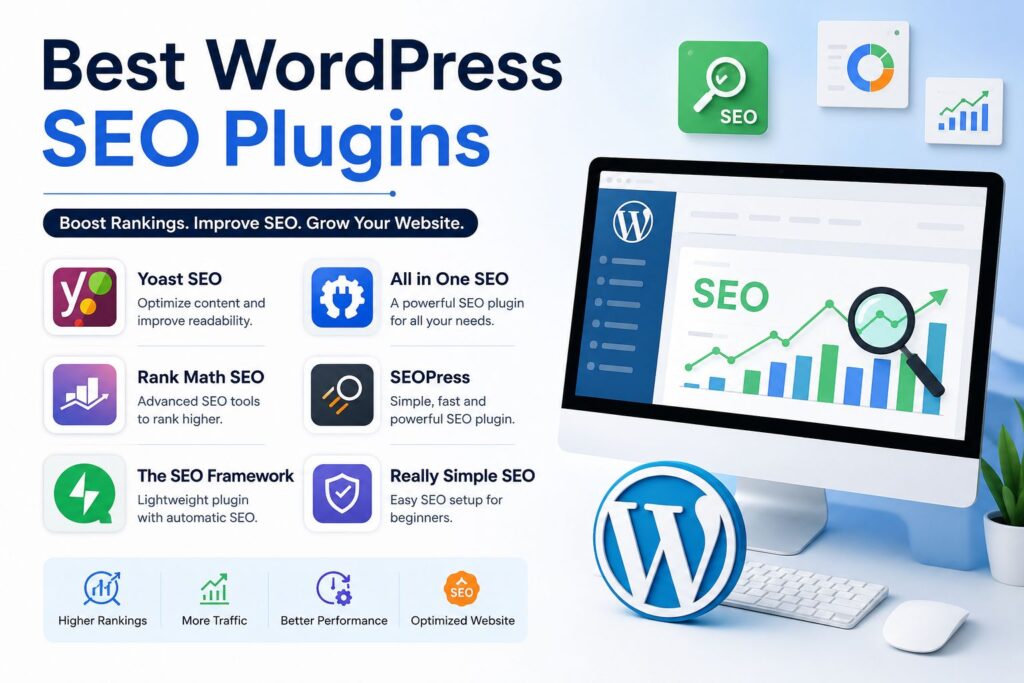
Every website owner wants more visitors, but not everyone has the budget to invest in paid advertising. The good news is that you don’t need to spend money on ads to grow your audience. By focusing on organic marketing strategies, you can attract consistent, high-quality traffic that keeps growing over time.
In this guide, you’ll learn practical and proven methods to increase website traffic organically without paid ads using SEO, content marketing, and user-focused optimization.
Why Organic Traffic Is Better Than Paid Traffic
Organic traffic comes from search engines like Google, Bing, and other unpaid sources. Unlike paid advertising, organic traffic continues to generate visitors even after your content has been published.
Benefits of Organic Traffic
- Cost-effective in the long run
- Higher trust among users
- Better conversion rates
- Sustainable growth
- Long-lasting search visibility
1. Focus on Search Engine Optimization (SEO)
SEO is the foundation of organic website growth. Optimizing your website for search engines makes it easier for potential customers to find your content.
Improve Your On-Page SEO
- Include your primary keyword naturally in the title.
- Write compelling meta titles and descriptions.
- Use H1, H2, and H3 headings properly.
- Optimize images with descriptive alt text.
- Create SEO-friendly URLs.
- Link to relevant pages on your website.
2. Publish High-Quality Content Regularly
Google rewards websites that consistently publish helpful, original, and informative content.
Write blog posts that:
- Solve real problems
- Answer common questions
- Include actionable advice
- Stay up to date
- Provide genuine value
Consistency is key. Publishing one quality article every week is better than posting several low-quality articles at once.
3. Target Long-Tail Keywords
Long-tail keywords have lower competition and often attract visitors who are ready to take action.
Examples:
- How to increase website traffic organically
- Best SEO tips for small businesses
- Free ways to get website visitors
- Organic traffic strategies for beginners
Use keyword research tools to identify phrases your audience is actively searching for.
4. Improve Website Speed
A slow website can drive visitors away before they even read your content.
Improve loading speed by:
- Compressing images
- Enabling browser caching
- Using a reliable hosting provider
- Removing unnecessary plugins
- Optimizing CSS and JavaScript files
A faster website improves both user experience and search rankings.
5. Make Your Website Mobile-Friendly
Most internet users browse on smartphones. Google also uses mobile-first indexing, making mobile optimization essential.
Ensure that your website:
- Adapts to different screen sizes
- Loads quickly on mobile devices
- Uses readable fonts
- Has easy-to-click buttons
- Provides a smooth navigation experience
6. Build High-Quality Backlinks
Backlinks from trusted websites signal authority to search engines.
Ways to earn backlinks:
- Write guest posts
- Publish original research
- Create shareable infographics
- Build free tools or templates
- Reach out to relevant websites
Focus on quality rather than quantity.
7. Optimize for Local SEO
If you serve customers in a specific location, local SEO can significantly increase your visibility.
Steps include:
- Create and optimize your Google Business Profile
- Encourage customer reviews
- Use location-specific keywords
- Keep your business information consistent across directories
8. Use Internal Linking
Internal links help visitors discover more of your content and make it easier for search engines to understand your website.
For example, if you’re writing about SEO, link to related articles on:
- Keyword research
- On-page SEO
- Technical SEO
- Content marketing
9. Promote Your Content on Social Media
Sharing your content on social platforms increases its reach and can drive additional traffic.
Share your blog posts on:
- X (Twitter)
Repurpose blog content into short videos, carousels, or infographics to reach a wider audience.
10. Optimize Existing Content
Instead of only creating new articles, update older ones.
Refresh:
- Statistics
- Screenshots
- Keywords
- Internal links
- Examples
- Calls to action
Updated content often performs better in search results.
11. Improve User Experience (UX)
Google values websites that provide a positive user experience.
Enhance UX by:
- Keeping navigation simple
- Using clear headings
- Breaking up long paragraphs
- Adding relevant visuals
- Reducing intrusive pop-ups
Visitors who stay longer on your site are more likely to convert.
12. Use Google Search Console and Analytics
Track your website’s performance to understand what’s working.
Monitor:
- Organic traffic
- Top-performing pages
- Click-through rates
- Keyword rankings
- User behavior
- Bounce rate
Use these insights to improve your content strategy over time.
Common Mistakes to Avoid
Avoid these common issues that can limit your organic growth:
- Publishing thin or duplicate content
- Ignoring keyword research
- Stuffing keywords unnaturally
- Having slow page speeds
- Not optimizing for mobile users
- Forgetting internal links
- Neglecting technical SEO
- Failing to update older content
Final Thoughts
Increasing website traffic organically without paid ads requires patience, consistency, and a well-planned strategy. Focus on creating valuable content, optimizing your website for search engines, improving user experience, and regularly updating your existing pages. Over time, these efforts can help you build a steady stream of qualified visitors and reduce your dependence on paid advertising.
Remember that organic growth is a long-term investment. While results may not appear overnight, a strong SEO foundation and high-quality content can continue to bring traffic for months or even years.
Frequently Asked Questions (FAQs)
1. How long does it take to increase website traffic organically?
Most websites begin seeing noticeable improvements within 3–6 months, depending on competition, content quality, and SEO efforts.
2. Is organic traffic better than paid traffic?
Organic traffic is generally more sustainable and cost-effective, while paid traffic provides immediate visibility. A combination of both often delivers the best results.
3. How often should I publish blog posts?
Aim for 1–2 high-quality blog posts per week. Consistency matters more than volume.
4. Do backlinks still matter for SEO?
Yes. High-quality backlinks remain an important ranking factor because they signal authority and trustworthiness to search engines.
5. Can I increase website traffic without spending money?
Absolutely. By focusing on SEO, content marketing, social media promotion, and website optimization, you can grow your traffic organically without paying for ads.